
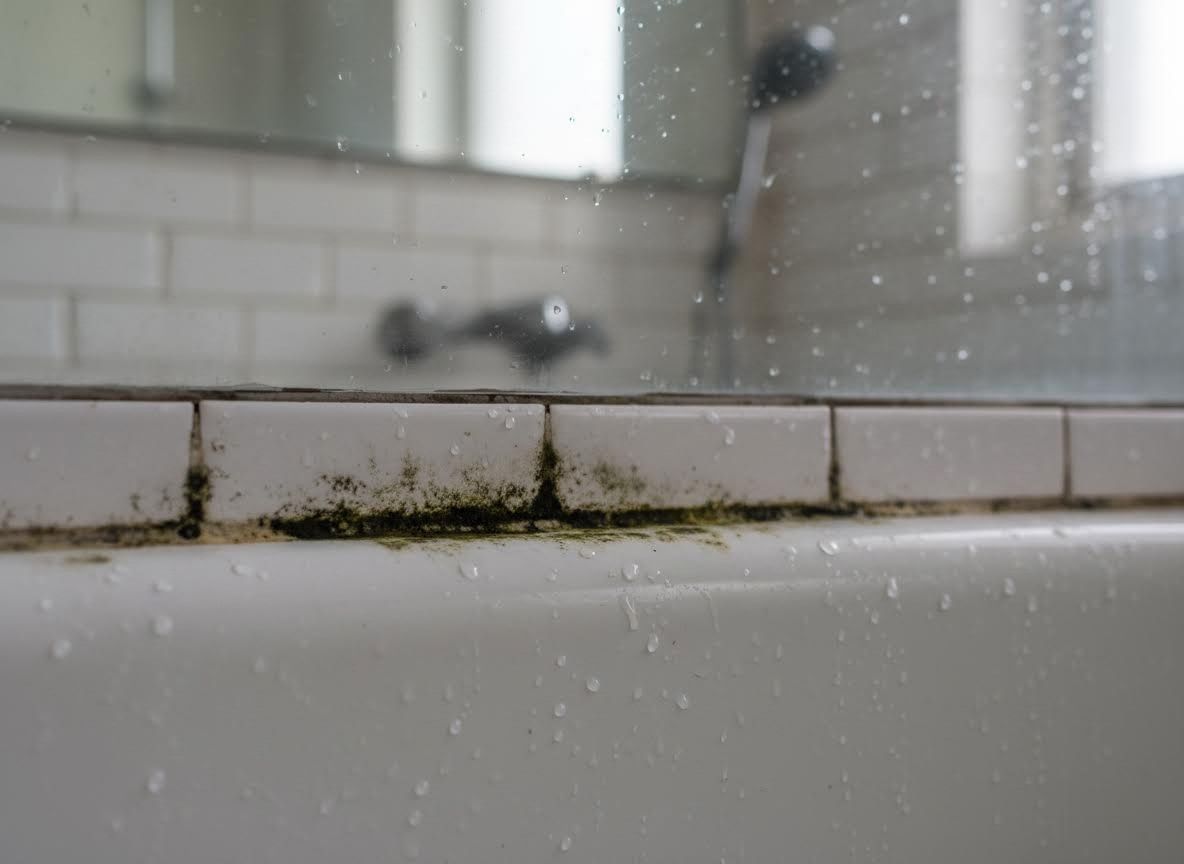
That persistent musty smell in your bathroom might be more than just a nuisance; it could be a sign of a hidden mold problem, often exacerbated by aging plumbing systems. These unseen issues can lead to significant headaches and expenses if not addressed promptly. At Urgent Island Restoration, we understand the critical importance of maintaining a healthy and safe home environment. This blog post will explore how old plumbing contributes to mold growth, the far-reaching consequences of neglecting these issues, and when it is time to seek professional mold restoration.
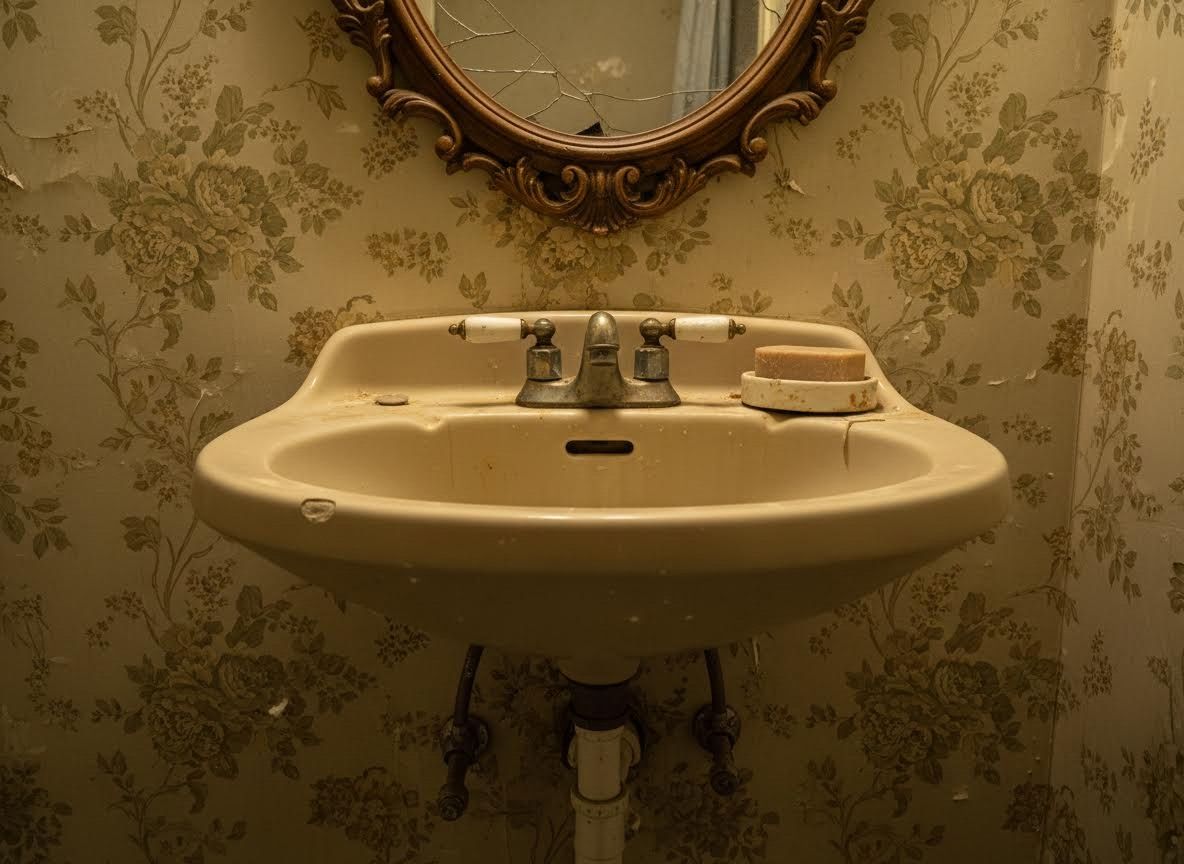
The Silent Threat: How Old Plumbing Fuels Mold
Aging plumbing systems are often hidden culprits behind bathroom mold infestations. Over time, pipes can corrode, seals can degrade, and connections can loosen, leading to drips and slow leaks within walls, under sinks, or beneath flooring. Even minor, consistent moisture from these leaks creates an ideal breeding ground for mold spores, which thrive in damp, dark environments. Additionally, older bathrooms might lack adequate ventilation, trapping humidity and condensation, especially around showers and tubs, further encouraging mold growth in unseen areas.
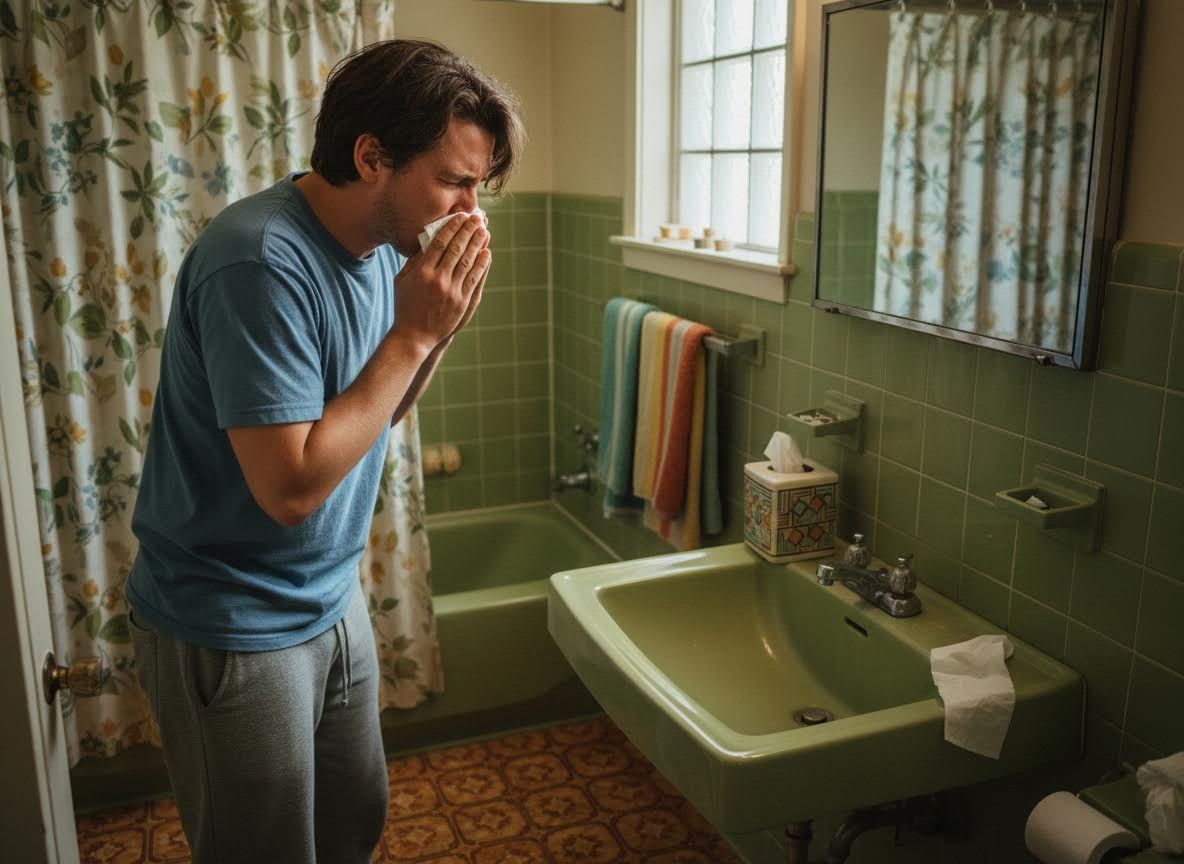
Beyond the Stains: The Real Costs of Neglected Mold
The impact of mold extends far beyond unsightly discoloration on grout or walls. Health-wise, prolonged exposure can trigger or worsen allergies, asthma, and other respiratory problems for sensitive individuals. Structurally, mold feeds on organic materials like drywall, wood, and insulation, weakening structures and causing significant damage that can compromise your home's integrity. These structural issues, if ignored, can lead to expensive repairs, devalue your property, and even necessitate extensive demolition and reconstruction.
Detecting the Undetectable: Signs Your Bathroom Has a Hidden Mold Problem
Since mold often hides behind tiles or within walls, detection can be tricky. Beyond visible spots, a persistent musty or earthy smell is a strong indicator of hidden mold growth that warrants a professional inspection. Peeling paint, bubbling wallpaper, or discoloration on walls or ceilings, even without obvious leaks, can signal moisture intrusion. Soft or spongy flooring near the toilet or shower, and unexplained increases in your water bill, might also point to plumbing issues that are fostering mold. Catching these signs early allows for a much faster and less invasive mold restoration process.
Taking Action: Prevention and Professional Intervention
To mitigate the risk of mold from old plumbing, proactive measures are essential. Regularly check for leaks, address any dripping faucets or running toilets immediately, and ensure your bathroom has proper ventilation. However, once mold has taken root, especially due to extensive water damage, simple cleaning often isn't enough. Professional intervention is critical to safely remove mold, address the underlying moisture source, and prevent its recurrence. This often involves specialized equipment and techniques to ensure thorough remediation.
Don't let hidden mold from old plumbing compromise your home's integrity or your family's health. Understanding the signs and acting quickly can save you from costly repairs and serious health risks. When faced with extensive water damage, specialized mold restoration and remediation services are crucial. As a trusted restoration company, Urgent Island Restoration is dedicated to helping homeowners restore their peace of mind and property through professional restoration services in Oahu. Learn more about protecting your home from water damage and mold by contacting our team.